How do 70-year-olds remember to do mundane, health-related tasks?
Project
IDEO
“Insights for Innovation”
Summer 2020
Deliverables
- Empathy maps
- Insights report
Key Skills
- Design thinking
- User observation
- User interviews
Background
In this course I delved into IDEO’s method for conducting user research and generating inspiring, actionable insights.
Challenge
For my final project, I chose to focus on how today’s 70 year olds take healthy actions.
The choices that seniors make every day will have a profound impact on their quality of life as they age. Simple daily actions like taking medications, drinking enough water, and exercising are key to cultivating health so they can enjoy this stage of life.
That’s easier said than done. People often know they “should” take actions to benefit their health, but they don’t necessarily take action. And remembering to do something every day can be hard.
Why do people choose to take healthy actions — or not? And how do they remember to do mundane, daily health-related tasks?
What I Did
I started by conducting general observation of my mom cleaning her kitchen. I was intrigued by her unique method for tracking how much water she drinks (it involves rubber bands on her water glass), and decided to dig deeper into people’s attitudes toward healthy actions.
I identified extremes: an athlete who has extensive experience with healthy habits, and a caregiver who is responsible for her spouse with advanced memory loss.
I then conducted five hours of observation and interviews with three subjects in my target user group: retired women ages 70-75. I used empathy maps and clustering exercises to generate insights.


“Should” isn’t good enough
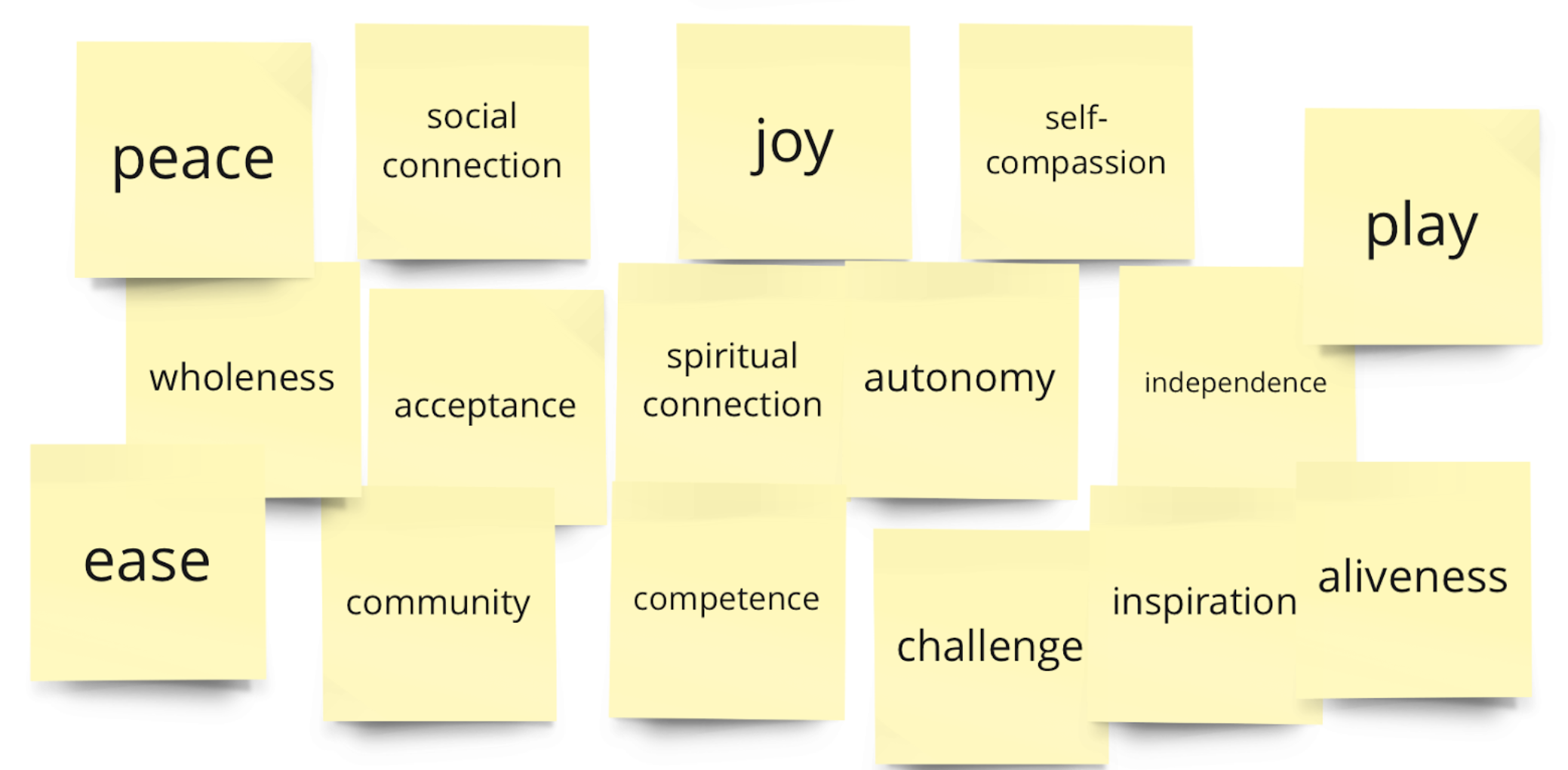
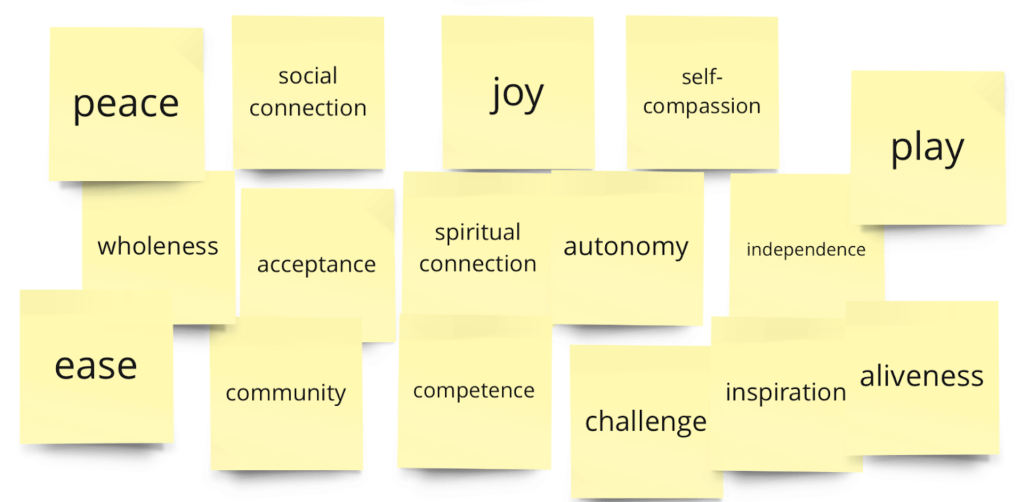
My research revealed that for these participants, healthy actions aren’t just about physical health. There are a host of underlying needs— like connection, fulfillment, and wholeness— that motivate every healthy action.
Conversely, people avoid healthy actions because of competing but legitimate underlying needs, like predictability, support, and a sense of agency. A sense of external obligation, that feeling of “should,” isn’t enough to motivate the participants to act.
This lead to my first insight: People do not take healthy actions out of a sense of external obligation. Rather, these actions are driven by deep needs for connection, fulfillment, and wholeness.
Any effort to create change in habits must address these underlying needs.
Making it work
Deciding to take healthy actions is just the first step. Then you have to actually do it—day after day. How do the participants remember to take healthy actions?
Actions like taking pills or drinking water are mundane and not distinctive. How do people remember whether they completed a task today? The participants use a variety of techniques to help them remember to take actions— and to help them remember that they remembered. Checklists, a pill box, rubber bands on a water glass, and tying the action to another daily task (like taking a pill when you feed the cat) were a few techniques used.
All the participants felt some satisfaction from marking off a healthy task, whether checking off a list, seeing an empty pill box, or moving a marker.
The power of the pillbox
The most effective and satisfying techniques involved physical objects. Moving a tangible marker or seeing an empty container is enjoyable, offers direct feedback, and gives a feeling of achievement.
My second insight: A pill box is a to-do list made tangible. Memory aids that use physical objects and bodily movements are direct, easy to remember, and satisfying to complete.
Result
I took these ideas and insights into the next IDEO Foundations in Design Thinking class, “From Ideas to Action.” In the second phase of the project, I developed prototypes around a revised challenge question: How might we design memory aids to address the underlying needs that affect habit change? The result: an app to help seniors drink more water.
 Suzanne Gray